


Reviews
Paura nella città dei morti viventi / The Gates of Hell
Lucio Fulci
Italy, 1980
Credits
Review by Thomas Scalzo
Posted on 19 October 2007
Source Blue Underground DVD
Related articles
Reviews Let Sleeping Corpses Lie
Reviews The Nights of Terror
Reviews Night of the Creeps
Categories Lucio Fulci’s Gates of Hell
About the same time that Andrea Bianchi was crafting The Nights of Terror, his masterpiece of unrelenting gloom, another Italian director of zombie films was hard at work on his own contribution to the genre. But where Bianchi contented himself with stripping the zombie film of all but the barest semblance of character development or story arc, Lucio Fulci, one of the originators of apocalyptic zombie horror, changed tact entirely. Part supernatural mystery, part psychological thriller, part grisly zombie horror, Fulci’s City of the Living Dead is a multifaceted, character-driven tale of terror that manages the impressive feat of creating an appreciable atmosphere of fear while holding its death-defying denizens in check for the bulk of the picture.
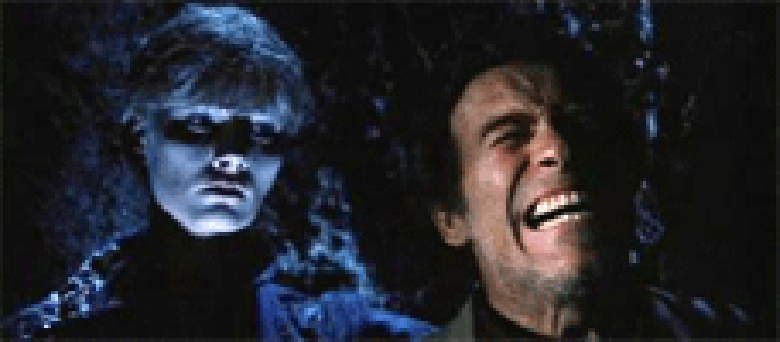
The story begins in a small town in the northeastern United States, with a pale-faced priest, Father Thomas, hanging himself. At the same moment, in New York City, we witness a séance in progress, and a young woman named Mary tormented by a vision of the dead man. To maker matters worse, she’s convinced that the priest’s death was no cry for help, but a deliberate sacrifice intended to open a portal to hell and unleash an army of the dead unto the earth. And it just so happens that it’s only a matter of days until the portal is unsealed, and the dead given license to roam free. Assisted by an inquisitive reporter named Peter, Mary sets herself the task of tracking down the mortal remains of the priest, and seeing what she can do about avoiding the impending zombie doom.
Fulci’s inspired decision to center his tale around a specific and terrible event that is fast approaching affords him the freedom to devote a significant portion of his narrative to subplots - a woman struggling to free herself of psychological demons, a boy dealing with the death of his sister, a pair of bar flies contemplating the strange goings on in their home town - for we know that a gruesome day of reckoning is coming, even if scene after scene passes without any direct reference to zombies. In addition, the slow horror build up allows time for Mary and Peter to develop into fully-fledged characters that we fear for. A zombie film that makes you eager to know who will die next is entertaining. One that makes you apprehensive as to who will die next is enthralling.
But even with such balanced narrative touches and nuanced storytelling, this is still a Lucio Fulci film, and Fulci means gore. Even before the zombies take center stage, the deceased priest treats us to several blood-soaked hauntings. Inexplicably blessed with both the power to teleport, and to kill just by looking at his victims, Father Thomas bides his time until the release of the zombies by removing brains from the back of skulls and inducing intestines to erupt from their owner’s mouth. And when the zombie hordes, in all their burnt flesh glory, are finally released, the wait is well worth it.
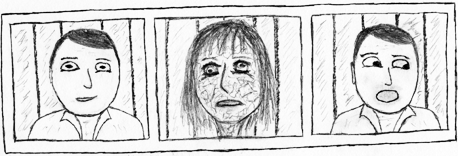
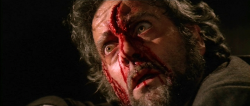
Mike meets a zombie
More Lucio Fulci’s Gates of Hell
-

City of the Living Dead
1980 -

The Beyond
1981 -
House by the Cemetery
1981 -
The New York Ripper
1982 -
Manhattan Baby
1982 -

Conquest
1983
We don’t do comments anymore, but you may contact us here or find us on Twitter or Facebook.